
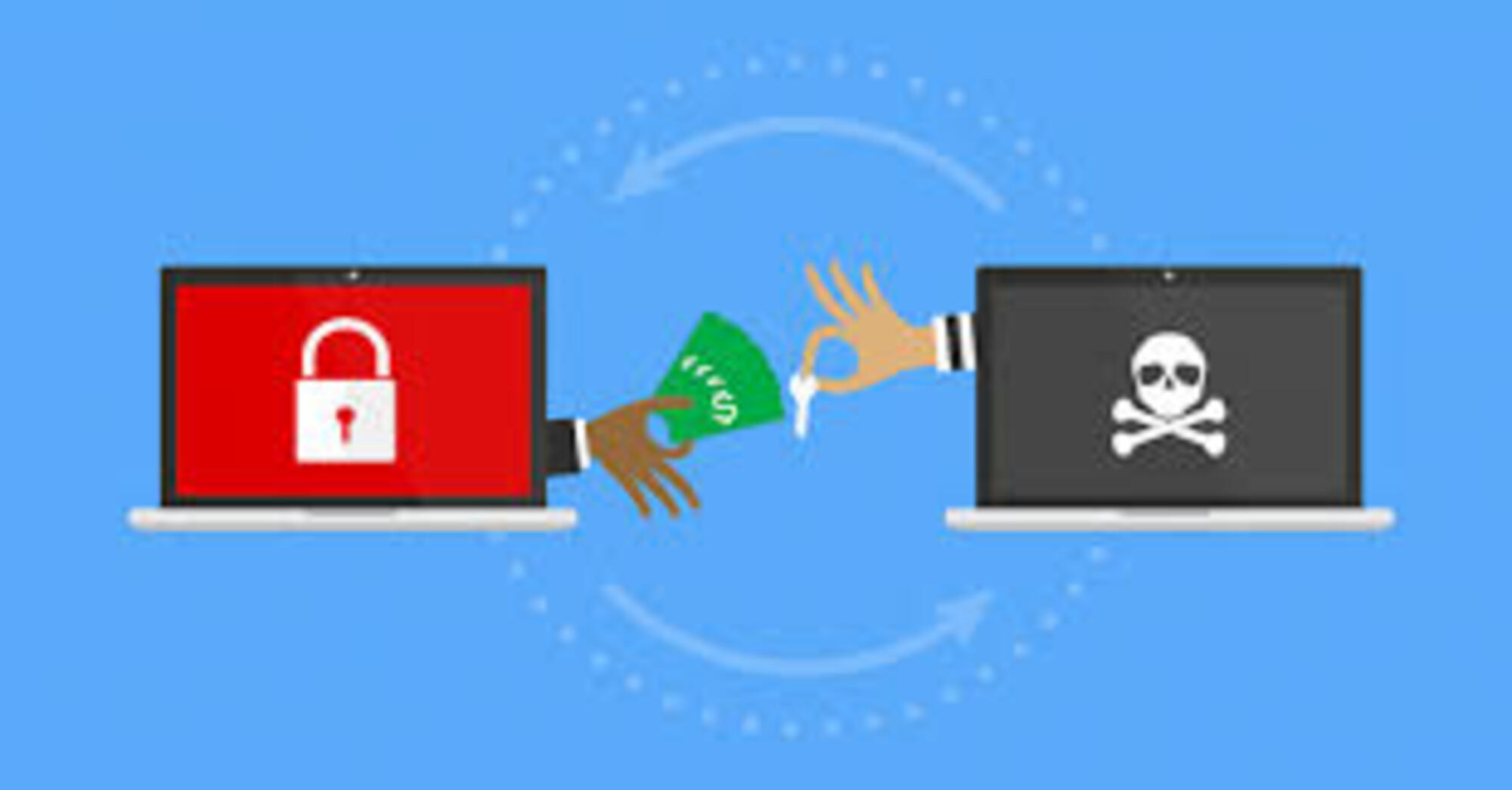
Blue Yonder, a critical software provider for major retail chains like Starbucks and Morrisons, fell victim to a sophisticated cyberattack during the 2025 holiday season. The breach originated from exploited vulnerabilities in its digital supply chain, likely through phishing or unpatched software gaps, allowing attackers to compromise its systems. The incident disrupted operations across multiple countries, crippling logistics, inventory management, and in-store processes for its high-profile clients.The attack leveraged credential-stuffing bots and API abuse to blend malicious activity with legitimate transaction spikes, evading detection until significant damage was done. Retailers relying on Blue Yonder’s platforms experienced cascading outages, including halted payment systems, delayed shipments, and store closures during peak Black Friday/Cyber Monday sales. The financial fallout extended beyond immediate revenue loss, eroding customer trust and exposing weaknesses in third-party risk management.With ransomware demands in the retail sector surging to a median of $2 million per incident, the attack underscored the sector’s vulnerability to supply chain exploits. While no explicit ransomware payment was confirmed, the operational paralysis and reputational harm aligned with high-severity threats targeting core business continuity. The breach served as a stark warning about the inadequacy of reactive defenses against modern, automation-driven cyber campaigns.
Source: https://cyberpress.org/retail-ransomware-threats/
Blue Yonder cybersecurity rating report: https://www.rankiteo.com/company/blueyonder
"id": "BLU4532945112125",
"linkid": "blueyonder",
"type": "Ransomware",
"date": "6/2025",
"severity": "100",
"impact": "5",
"explanation": "Attack threatening the organization’s existence"
{'affected_entities': [{'customers_affected': ['Muji'],
'industry': 'retail/logistics',
'location': 'Japan',
'name': 'Askul',
'type': 'retail supplier'},
{'customers_affected': ['Starbucks', 'Morrisons'],
'industry': 'retail technology',
'location': 'UK',
'name': 'Blue Yonder',
'type': 'software provider'},
{'industry': 'retail',
'location': 'Japan (global operations)',
'name': 'Muji',
'type': 'retailer'},
{'industry': 'hospitality/retail',
'location': 'Global (affected via Blue Yonder)',
'name': 'Starbucks',
'type': 'retailer (food/beverage)'},
{'industry': 'retail',
'location': 'UK (affected via Blue Yonder)',
'name': 'Morrisons',
'type': 'retailer (grocery)'}],
'attack_vector': ['phishing (holiday-themed emails)',
'social engineering',
'credential-stuffing bots',
'API abuse scripts',
'gift card fraud tools',
'exploitation of misconfigurations',
'exploitation of software vulnerabilities',
'unknown security gaps'],
'data_breach': {'data_encryption': True},
'date_publicly_disclosed': '2025-11-29',
'description': 'As global Black Friday and Cyber Monday shopping intensifies, '
'cybercriminals are ramping up attacks against retailers '
'during the 2025 holiday season. Attackers exploit seasonal '
'chaos, overstretched IT teams, record e-commerce volumes, and '
'complex digital supply chains to deploy ransomware, phishing, '
'and automation-driven attacks. The median ransom demand in '
'retail has soared to $2 million per incident, nearly double '
'last year’s figure. Threat intelligence reveals that almost '
"half of ransomware incidents originate from 'unknown security "
"gaps,' including misconfigurations, overlooked "
'vulnerabilities, and failures in cyber hygiene. Phishing '
'remains a dominant entry vector, with a 692% surge in '
'holiday-themed phishing emails in November 2024. High-profile '
'incidents include attacks on Askul (Japan) and Blue Yonder '
'(UK), disrupting operations for retailers like Muji, '
'Starbucks, and Morrisons.',
'impact': {'brand_reputation_impact': True,
'downtime': True,
'operational_impact': ['suspended online sales (e.g., Muji)',
'disrupted logistics and fulfillment',
'store operations halted (e.g., Starbucks, '
'Morrisons)',
'cascading supply chain effects'],
'payment_information_risk': True,
'revenue_loss': True,
'systems_affected': ['payment systems',
'online sales platforms',
'logistics and fulfillment systems',
'point-of-sale devices',
'servers']},
'initial_access_broker': {'entry_point': ['phishing emails (holiday-themed)',
'credential stuffing',
'API abuse',
'exploited '
'misconfigurations/vulnerabilities'],
'high_value_targets': ['payment systems',
'logistics/fulfillment '
'platforms',
'point-of-sale devices']},
'investigation_status': 'Ongoing (multiple incidents reported across retail '
'sector)',
'lessons_learned': 'Traditional reactive defenses are insufficient against '
'modern ransomware campaigns, which can disrupt operations '
'within minutes. Preemptive, layered defense strategies '
'(e.g., Automated Moving Target Defense, deception '
'technology) are critical for protecting revenue and '
'ensuring operational continuity during high-traffic '
'periods like holiday shopping seasons.',
'motivation': ['financial gain (ransomware)',
'disruption of operations',
'data theft',
'fraud'],
'post_incident_analysis': {'corrective_actions': ['Adoption of proactive '
'defenses (e.g., AMTD, '
'deception technology).',
'Enhanced monitoring of '
'third-party vendors and '
'supply chain partners.',
'Improved cyber hygiene '
'practices to eliminate '
"'unknown gaps.'",
'Employee training to '
'recognize holiday-themed '
'phishing attempts.'],
'root_causes': ["Exploitation of 'unknown security "
"gaps' (misconfigurations, "
'vulnerabilities, network blind '
'spots).',
'Successful phishing/social '
'engineering campaigns during '
'high-stress periods (holiday '
'shopping).',
'Inadequate visibility into '
'third-party vendor risks (e.g., '
'Blue Yonder compromise affecting '
'Starbucks/Morrisons).',
'Overreliance on reactive defenses '
'against fast-moving ransomware '
'attacks.']},
'ransomware': {'data_encryption': True,
'ransom_demanded': '$2,000,000 (median per incident in retail '
'sector)'},
'recommendations': ['Implement Automated Moving Target Defense (AMTD) to '
'dynamically morph memory structures and thwart '
'zero-day/fileless malware.',
'Deploy deception technology (digital decoys) for early '
'detection of malicious activity without disrupting '
'operations.',
"Strengthen cyber hygiene to address 'unknown security "
"gaps' (misconfigurations, overlooked vulnerabilities, "
'network blind spots).',
'Enhance phishing defenses, especially during high-risk '
'periods (e.g., holiday shopping seasons).',
'Monitor third-party vendors and supply chain partners '
'for vulnerabilities that could cascade into broader '
'disruptions.',
'Adopt layered, proactive security measures to counter '
'automation-driven attacks (e.g., credential stuffing, '
'API abuse).'],
'references': [{'date_accessed': '2024-11-01',
'source': 'Darktrace Threat Intelligence Report'},
{'source': 'Morphisec Automated Moving Target Defense (AMTD) '
'Whitepaper'}],
'response': {'enhanced_monitoring': ['deception technology (digital decoys)',
'Automated Moving Target Defense '
'(AMTD)']},
'title': '2025 Holiday Season Cyberattacks on Retailers: Ransomware and '
'Phishing Surge',
'type': ['ransomware',
'phishing',
'credential stuffing',
'API abuse',
'gift card fraud'],
'vulnerability_exploited': ['misconfigurations',
'overlooked software vulnerabilities',
'blind spots in network visibility',
'failures in basic cyber hygiene']}